What Does It Cost to Construct a Steel Mini Storage Facility?
Self-storage facilities typically have low operating costs and high rates of return, making them a popular investment opportunity for those looking to generate passive income in a recession-resistant industry. If you’re considering building a self-storage facility, taking your time during the planning process can maximize savings and help you avoid common pitfalls.
The more you understand about the process, timeline and expenses involved in constructing a mini storage facility, the more likely you are to stay on budget and set yourself up for long-term profitability.
What Opening a Self-Storage Business Costs
While many different elements factor in to the final price of your self-storage facility, (think location, facility size, special features, insulation, etc.), you can expect to pay roughly $25 – $55 per square foot for yours when all is said and done.
Let’s say you’re looking to erect yours on one or two acres, which is a standard size for a small self-storage business. After factoring in parking, drainage, setbacks, easements, office space and other elements, you’ll have about 40%, or between about 18,000 – 36,000 square feet, depending on acreage, of your space remaining for actual storage units. So, for a 1-acre facility, you can estimate that your total costs will land somewhere between about $450,000 and $990,000, while a 2-acre facility may run you closer to the $900,000 – $1,980,000 range.
Why You Need a Feasibility Study
A feasibility study helps you determine whether it makes financial and operational sense to open a mini storage facility in a particular area. It can also help you figure out how to make the best possible use of the space you have available. A solid feasibility study helps you determine how much demand exists for self-storage in a given area. It also helps you assess what what your competitors are doing to identify potential gaps in the marker (i.e. RV, boat storage or climate-controlled storage opportunities, etc.).
The feasibility study also helps you figure out how to make the most of the actual storage space you have available after taking into account driveways, drainage, landscaping and similar factors. While large self-storage projects might require the help of a professional engineer or architect, smaller operations may be able to utilize site layout services, which can cost up to about $500 per acre.
However, many entrepreneurs find that conducting feasibility studies and utilizing site layout services help them add up to 30% more rentable storage space to a facility, leading to significant returns through increased rental income.
What to Expect in Terms of Foundation, Concrete Work Costs
You don’t want to cut corners when it comes to concrete and foundational work, as a strong, stable foundation is the key to a safe and long-lasting self-storage facility. While the cost of laying your foundation and concrete will depend on site conditions, the cost of materials and the going rate for local labor, among other factors, the general going rate for foundation falls somewhere in the $6 – 19 per square foot range. Ultimately, concrete and foundation expenses typically account for about 27% of a self-storage facility’s total startup costs.
How to Anticipate the Cost of Materials
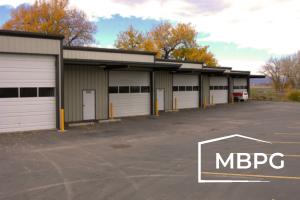
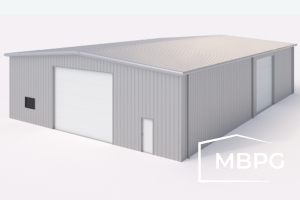
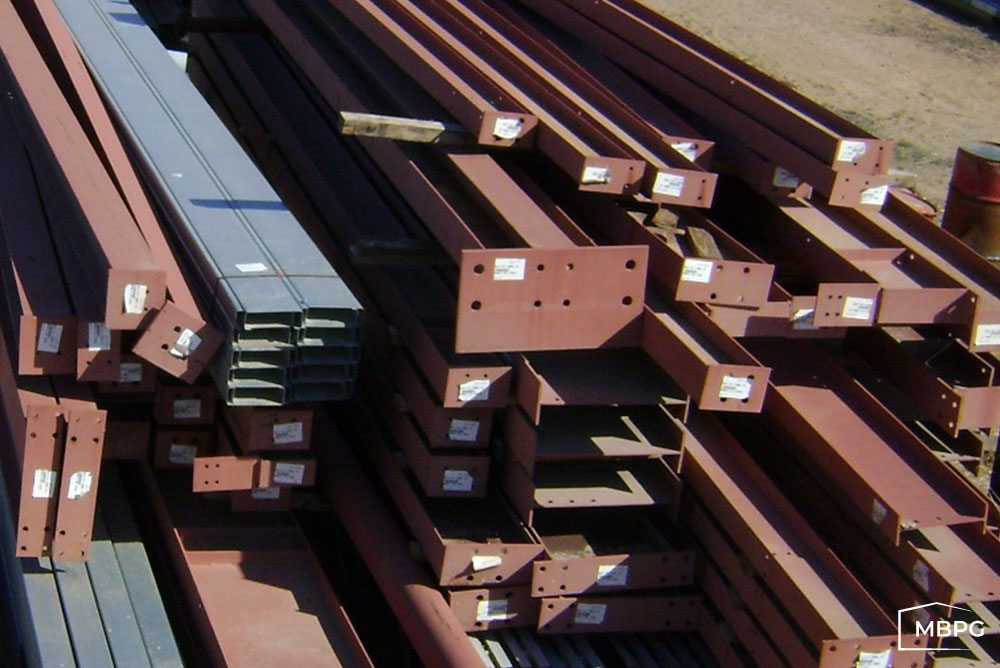
Material costs vary to some degree based on geography, facility size and other factors. Generally speaking, you can anticipate paying somewhere in the ballpark of $10 – $20 a square foot for your actual metal mini storage buildings. Typically, this means the buildings, themselves, account for roughly 14% of the total expenses associated with building your self-storage business.
You may also need to produce engineered drawings to obtain permits for your mini storage facility. This may cost roughly $10 – $20 per square foot, depending on the size of your building or buildings and the complexity of your facility’s final design.
What Mini Storage Doors May Cost You
Most mini storage facilities feature roll-up doors, which come in many different colors so you can customize yours to your liking. You also have the option of adding insulation, locks and other security features to your doors, which can increase costs. However, you can anticipate paying somewhere between about $400 – $2,000 per mini storage door, with mini storage door expenses representing roughly 3% of your project’s final cost.
How Much an Office May Add
The office is a key part of any self-storage business, helping you put your best face forward to potential tenants. You’ll want to determine the best spot for your office during site planning, and that spot should be close to parking areas and outside of gated areas.
Most self-storage offices also keep certain items of interest to self-storage renters, like moving boxes, in stock. Regardless of what you decide to stock on your office shelves, you can anticipate your total office costs to account for roughly 6% of your project’s overall budget.
How Much Insurance Costs
Insurance is an unglamorous, but necessary, part of constructing a self-storage facility, with Builder’s Risk insurance covering your project in the event that harsh weather, fire or other hazards cause damage during the construction process. While insurance costs vary to some degree from project to project, most entrepreneurs find that they put less than 1% of their total project investment toward insurance.
How Landscaping Affects Budget
While a self-storage facility may not need extensive or high-end landscaping, good-looking grounds can help you attract and retain reliable tenants. The types of greenery you add will likely vary based on your geographic environment, but it’s wise to utilize low-maintenance, and in some areas, drought-tolerant, plants to minimize upkeep. Basic landscaping may account for roughly 1% of your project’s total budget, while more extensive landscaping may account for up to about 3% of it.
What to Expect to Pay for Security, Fencing
Self-storage tenants literally pay you to keep their possessions safe and secure, so it’s imperative that your facility have adequate security measures and fencing in place. In terms of security measures, think lighting, video surveillance and security patrols, all of which deter theft.
You also need to fence in your self-storage facility, with fencing often falling somewhere around $16 – $64 per linear foot. Security gates, meanwhile, often start around $7,000 and can climb to $15,000 or even more, with security and fencing costs making up roughly 2% of your overall expenses.
What to Know About Climate-Controlled Storage Units
Many people seeking safe places to store their belongings prefer climate-controlled storage units, which can help protect temperature-sensitive items and preserve the lifespan of other goods and assets. How much you might pay for climate-controlled storage will depend on factors like insulation thickness and R-value, whether you insulate both the roof and walls, and so on. That said, most self-storage facility owners find that investing in climate-controlled storage units ends up paying for itself in due time, both by helping you attract more tenants and by lowering the heating and cooling costs of your business.
How Delays Factor In
It’s an unfortunate, but common, reality that delays and speed bumps often arise during construction. While some delay-related expenses may be avoidable with a little pre-planning, others may fall outside of your control. Delays can result from factors like bad weather, permitting issues and supply chain disruptions, and delay-related expenses might include extended insurance costs, interest on loans and extended equipment rentals, all of which can increase your overall project budget. The more effort you put into pre-planning and site-planning, though, the less you may have to put toward delay-related expenses.
While there are clear upfront expenses involved in building and opening a self-storage facility, you can also expect a strong return on your investment, with the vast majority of self-storage businesses maintaining low operational costs and high occupancy rates. Demand for self-storage has also historically remained high regardless of economic conditions, with both strong and weak economies driving a need for more storage space.