The Ultimate Guide to Metal Building Costs in 2026
Understanding the factors that drive pricing, from raw steel costs to customization and labor, so you can budget accurately for your next project.

Please Call for a Free Quote 303-948-2038 ( *All Calls are Recorded ) Se Habla Español.
Understanding the factors that drive pricing, from raw steel costs to customization and labor, so you can budget accurately for your next project.


When planning a new commercial facility—whether it’s a retail space, a high-tech manufacturing plant, or a massive distribution warehouse—the structural framework remains the most critical decision in your project’s lifecycle. In 2026, pre-engineered metal buildings (PEMBs) continue to dominate the commercial sector, favored for their unparalleled durability, rapid assembly, and long-term cost-efficiency.
However, “cost-effective” is not a synonym for “static.” Understanding the nuances of commercial metal building pricing is essential for 2026 budgeting, as the market has transitioned from the post-pandemic spikes into an era of stabilized but elevated costs influenced by new trade policies and “green” manufacturing shifts.
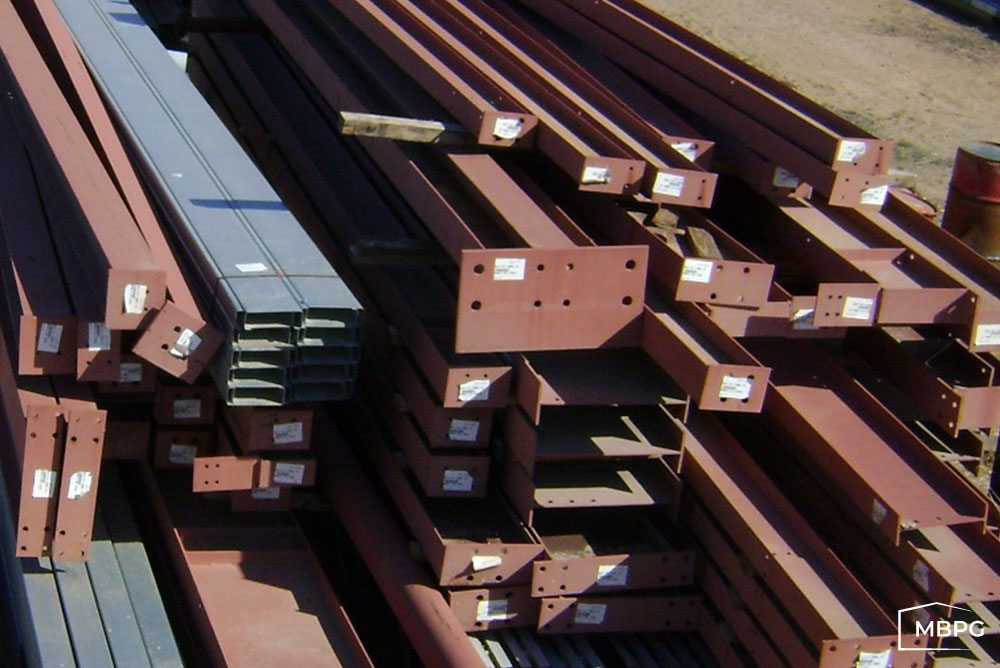
The foundation of any quote is the global market price of steel. After the extreme volatility seen in previous years, 2026 has brought a “higher-for-longer” pricing reality. While the wild 50% swings of 2023 have subsided, base prices remain roughly 15–20% higher than pre-2020 averages.
“Locking in your steel price early in the design phase is the single most effective strategy for mitigating budget overruns in construction today.”
— Steve Paulukovich, Project Consultant
Key Cost Drivers in 2024:
One of the unique aspects of metal building pricing is the economy of scale. Generally speaking, as the square footage of the building increases, the cost per square foot decreases. A 10,000 sq. ft. warehouse will typically cost less per square foot than a 2,000 sq. ft. workshop, assuming similar finishes.
Complexity also plays a massive role. A simple clear-span box is the most economical design. Once you start adding architectural features, extreme eaves heights (over 20 feet), parapet walls, or designing for heavy crane loads, the engineering requirements increase, and so does the cost.
Use our advanced calculator to get a baseline price based on current 2026 steel rates.
A metal building doesn’t have to look like a simple metal box. The exterior can be finished with stucco, brick veneer, stone, or architectural metal panels. Inside, you might need specialized insulation, liner panels, or a mezzanine floor.
When budgeting, it’s essential to separate the ‘shell’ cost (the steel structure, roof, and basic wall panels) from the ‘finish’ cost. The shell is relatively predictable, while finishes can vary wildly based on your aesthetic and functional requirements.
Navigating the costs of a commercial metal building requires a strategic approach. By understanding the core drivers—steel prices, size, complexity, and finishes—you can work effectively with manufacturers and contractors to design a building that meets your needs and respects your budget.